
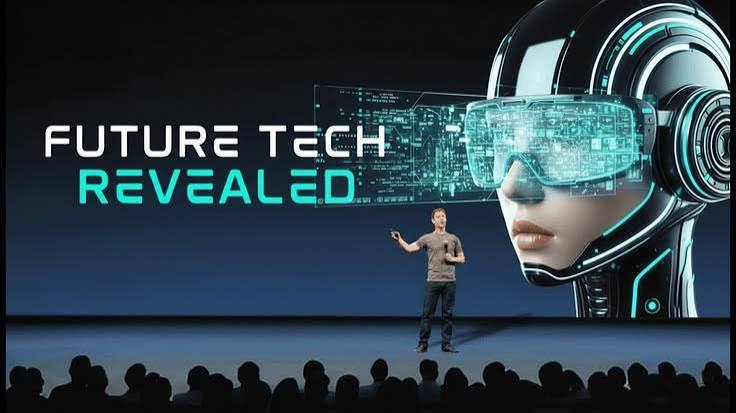
Technology continues to reshape the way people work, communicate, shop, travel, and manage everyday life. In 2026, innovation is moving beyond simple convenience toward smarter, faster, and more connected experiences. Artificial intelligence, advanced robotics, cybersecurity, and next-generation connectivity are becoming important parts of both business and consumer technology.
The latest technology trends are also changing how companies compete and how people interact with digital services. From AI-powered tools to sustainable computing, these developments are creating new opportunities while introducing fresh challenges. Understanding these trends can help businesses and individuals prepare for a rapidly changing digital world.
ReadMore: To Emerging Technologies Every Business Should Watch
Artificial Intelligence Becomes More Practical
Artificial intelligence remains one of the biggest technology trends in 2026, but its focus is shifting toward practical applications. Businesses are increasingly using AI for customer support, content creation, data analysis, software development, marketing, and internal automation. Instead of being treated only as an experimental technology, AI is becoming part of everyday workflows.
AI systems are also becoming more capable of understanding text, images, audio, and video together. These multimodal capabilities allow users to interact with technology more naturally. As AI tools become easier to access, organizations are focusing on responsible deployment, data protection, and improving the quality of AI-generated results.
AI Agents Transform Digital Work
AI agents are another major trend making headlines in 2026. Unlike traditional chatbots that mainly respond to questions, AI agents can perform multiple steps toward a specific goal. They can organize information, prepare reports, manage workflows, assist with research, and interact with software applications.
The growing use of AI agents could change workplace productivity significantly. Employees may use digital agents to handle repetitive administrative tasks while spending more time on creative and strategic work. However, businesses still need human oversight to verify important decisions and maintain accuracy.
Robotics Moves Into Everyday Applications
Robotics is expanding beyond factories and specialized industrial environments. Advances in artificial intelligence, sensors, computer vision, and machine learning are helping robots perform increasingly complex tasks. Warehouses, hospitals, logistics companies, and manufacturing facilities are adopting robots to improve efficiency and reduce repetitive manual work.
Consumer robotics is also receiving greater attention. Smart cleaning devices, delivery robots, and other automated machines are becoming more sophisticated. As hardware becomes more capable, the combination of robotics and AI could create machines that better understand their surroundings and respond to changing conditions.
Edge Computing Gets More Important
Edge computing is becoming increasingly valuable as connected devices generate enormous amounts of data. Instead of sending every piece of information to distant cloud servers, edge computing processes certain data closer to where it is created. This approach can reduce delays and improve the performance of applications that require quick responses.
The trend is especially relevant to smart factories, autonomous systems, healthcare technology, connected vehicles, and Internet of Things devices. As organizations demand faster digital services, edge computing can complement traditional cloud infrastructure and provide a more flexible approach to handling data.
Next-Generation Connectivity Expands
Connectivity remains a major area of technological development in 2026. Faster mobile networks, advanced Wi-Fi technologies, satellite connectivity, and other communication systems are helping devices stay connected across different environments. Improved connectivity supports everything from remote work to smart homes and connected transportation.
The continued development of connected infrastructure is also supporting the growth of IoT applications. Businesses can collect real-time information from equipment, vehicles, sensors, and other devices. This data can help organizations monitor operations, identify problems, and improve resource management.
Key developments in connectivity include:
- Faster wireless communication for connected devices
- Expanded satellite-based connectivity in underserved areas
- Greater use of connected sensors across industries
Cybersecurity Becomes More Advanced
As digital systems become more interconnected, cybersecurity is becoming a critical technology priority. Organizations are dealing with increasingly sophisticated threats, including phishing, ransomware, data theft, and attacks against cloud infrastructure. Security teams are therefore adopting advanced monitoring and automated threat detection tools.
Artificial intelligence is playing an important role in modern cybersecurity. AI-based systems can analyze large volumes of network activity and identify unusual behavior more quickly than many traditional approaches. At the same time, attackers can also use AI, making continuous security improvements and employee awareness increasingly important.
Quantum Computing Gains Attention
Quantum computing continues to attract attention because of its potential to solve certain complex problems differently from conventional computers. Although large-scale practical applications remain challenging, researchers and technology companies are continuing to improve quantum hardware, algorithms, and error-correction techniques.
Potential applications include scientific research, optimization, materials development, and cryptography. In 2026, the technology remains an area of active development rather than a replacement for traditional computing. Progress in quantum research could nevertheless have long-term effects on several industries.
Sustainable Technology Takes Center Stage
Sustainability is becoming an increasingly important part of technology development. Data centers, artificial intelligence systems, electronic devices, and digital infrastructure require significant energy and resources. Technology companies are therefore exploring more efficient hardware, renewable energy sources, improved cooling systems, and methods for reducing electronic waste.
Energy-efficient computing is particularly important as demand for AI and cloud services grows. Organizations are looking for ways to achieve better performance without continuously increasing energy consumption. Sustainable technology is consequently becoming both an environmental concern and a business consideration.
Important areas of sustainable technology include:
- Energy-efficient processors and computing infrastructure
- Renewable energy for data centers and digital facilities
- Recycling and responsible management of electronic devices
Smart Devices Become More Intelligent
Smartphones, watches, home appliances, televisions, and other connected products are becoming more intelligent. Modern devices increasingly use AI to personalize experiences, automate functions, recognize patterns, and improve performance. This development is helping create digital ecosystems where multiple devices can work together.
The smart home is another area benefiting from these improvements. Connected lights, cameras, thermostats, security systems, and appliances can communicate through integrated platforms. Better interoperability and AI-powered automation could make smart environments easier to manage while giving users greater control over their homes.
Augmented and Virtual Reality Continue Growing
Augmented reality and virtual reality are continuing to develop across entertainment, education, training, healthcare, retail, and professional applications. Improvements in displays, sensors, processing power, and spatial computing are making immersive experiences more practical and interactive.
Businesses are exploring immersive technology for employee training, product demonstrations, virtual collaboration, and customer experiences. Rather than being limited to gaming, AR and VR are gradually becoming tools for visualizing information and interacting with digital environments.
Advanced Health Technology Expands
Technology is also transforming healthcare through wearable devices, remote monitoring, AI-assisted analysis, and digital health platforms. Modern wearables can collect information related to activity, sleep, heart rate, and other measurements, helping users better understand aspects of their daily routines.
AI is being explored for medical research, administrative automation, image analysis, and personalized healthcare applications. These technologies can support healthcare professionals, but accuracy, privacy, regulation, and human oversight remain essential considerations when technology is used in sensitive healthcare environments.
Digital Privacy Becomes a Bigger Priority
With more personal information being collected by websites, applications, smart devices, and online services, digital privacy is becoming increasingly important. Consumers are paying closer attention to how companies collect, store, and use their data. Businesses are responding by strengthening privacy controls and improving transparency.
Privacy-enhancing technologies are also gaining attention. Encryption, secure authentication, data minimization, and decentralized approaches can help reduce unnecessary exposure of sensitive information. As digital services become more integrated into everyday life, privacy is likely to remain a central part of technology discussions.
What These Trends Mean for the Future
The technology trends making headlines in 2026 demonstrate how quickly digital innovation is evolving. AI, robotics, connectivity, cybersecurity, quantum computing, and sustainable technology are developing alongside one another rather than in isolation. Their combination is creating new products, services, and business models across many industries.
For individuals and organizations, staying informed is increasingly important. The most significant technological changes may not come from a single invention but from the way multiple technologies work together. As innovation continues, adaptability, responsible technology use, strong cybersecurity, and continuous learning will remain important in navigating the digital future.
The major trends shaping technology in 2026 include:
- AI agents and practical artificial intelligence
- Robotics, edge computing, and advanced connectivity
- Cybersecurity, quantum computing, and sustainable technology
- Smart devices, immersive technology, and digital healthcare
Conclusion
The latest technology trends in 2026 reflect a broader shift toward intelligent, connected, automated, and sustainable digital experiences. Artificial intelligence is becoming more practical, robotics is expanding into new environments, and connectivity is supporting increasingly sophisticated connected systems.
At the same time, cybersecurity, privacy, energy efficiency, and responsible innovation are becoming essential considerations. As these technologies continue to mature, their impact will extend across workplaces, industries, homes, and everyday digital experiences. Understanding these developments today can help people and businesses prepare for the opportunities and challenges of tomorrow.

1 Comment
Pingback: Best Upcoming Games to Watch in 2026