

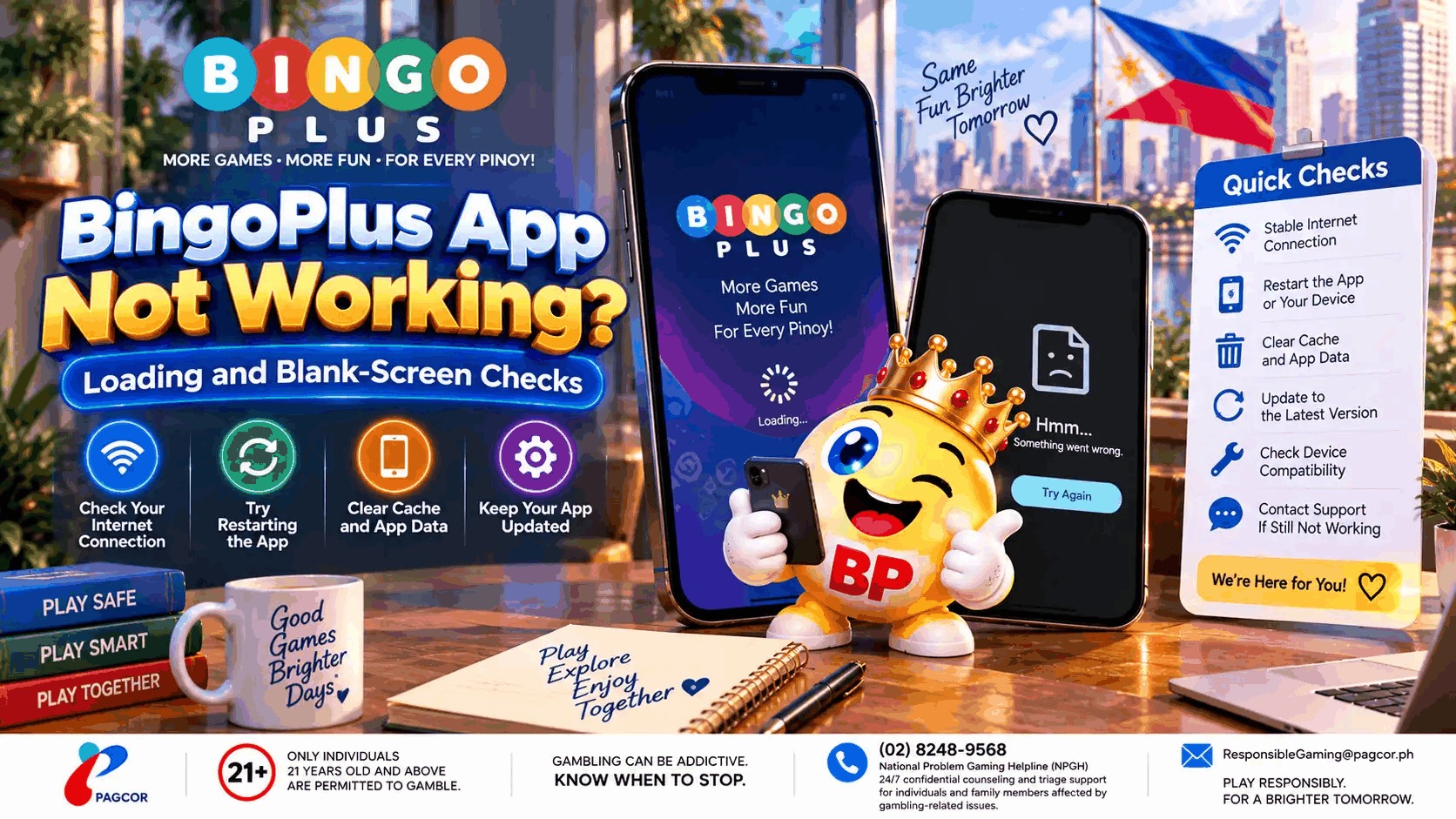
Downloading a mobile application is usually a simple task, but a smooth experience depends on several practical factors. Device compatibility, available storage, internet stability, and the reliability of the download source can all influence whether an installation is completed successfully.
For users in the Philippines looking for a Bingo Plus app download, a careful approach can prevent many avoidable problems. Beginning with a trusted source, selecting the correct version for the device, and checking basic phone settings can make the entire process clearer and more reliable.
Read More: Best Free Apps Making Everyday Tasks Easier
Start With a Trusted Access Point
The download source should be the first consideration when installing any mobile application. Unfamiliar websites, copied links, and random file-sharing services may contain outdated files, incorrect installers, or pages that redirect users somewhere unexpected.
A safer approach is to begin from the official Bingo Plus app download page. Using a consistent access point also makes it easier to return for future updates, account access, or platform information without relying on third-party download sources.
Check the Device Before Downloading
Many failed downloads are caused by ordinary device conditions rather than a problem with the application itself. Before starting, users should confirm that the phone has sufficient storage, a reasonably current operating system, and a stable connection.
It is also worth checking browser restrictions and confirming that the selected installation file matches the device. These quick checks reduce interruptions and can save time that would otherwise be spent troubleshooting later.
Android and iPhone Use Different Installation Paths
Android and iPhone devices do not install applications in exactly the same way. Android may support downloadable installation packages in addition to official app stores, while iOS generally relies on installation routes specifically designed for Apple devices.
Users should always choose the option that matches their operating system. An Android installation file will not work on an iPhone, and an iOS-specific method should not be forced onto an Android device.
Storage Space Is More Important Than It Looks
The file size displayed before download may be smaller than the total space the application eventually uses. Once installed, an app can create cached images, account data, temporary files, downloaded resources, and future update files.
A phone that is almost full may begin downloading normally but fail during installation or perform poorly afterward. Keeping additional free space available helps the installation complete successfully and supports smoother day-to-day performance.
Use a Stable Connection
A weak or frequently changing internet connection can interrupt a download and leave an incomplete file. This is particularly common when a phone switches repeatedly between Wi-Fi and mobile data while the installation package is being transferred.
Whenever possible, users should stay on one reliable network until the process is complete. Pausing large downloads, cloud backups, or video streaming on the same connection can also help maintain consistent speed.
Do Not Tap the Download Button Repeatedly
When a webpage responds slowly, pressing the same download button several times can create duplicate files. This makes it harder to identify the newest installer and may waste both storage space and mobile data.
A better approach is to tap once and allow the browser or device time to respond. If the download does not begin, check the connection, refresh the page if necessary, and then try again only after confirming that no file is already downloading.
Android Permission Prompts Should Be Read Carefully
Some Android phones may request permission before installing an application obtained through a browser or file manager. This can be a normal part of the Android security model, especially when the file did not come directly from the device’s default app marketplace.
Users should approve this permission only when they are confident about the file source. Unexpected prompts should be treated carefully, and app permissions can be reviewed again in Android settings after installation.
iPhone Users Should Follow the Exact On-Screen Instructions
Apple devices generally use a more controlled installation process. For that reason, iPhone users should follow the instructions provided for iOS instead of experimenting with Android-style installation methods or unofficial workarounds.
When an iPhone-specific option is presented, users should select that route and continue according to the on-screen guidance. The device type should always determine the installation method.
What to Do After the Download Finishes
After installation, open the application and check whether the main interface loads correctly. Account access, navigation menus, network connectivity, and general responsiveness are useful indicators that the installation completed as expected.
Any unusual warning, repeated crash, or missing interface element should be investigated before normal use. A quick first-launch check can identify a problem early and prevent unnecessary account or device troubleshooting later.
A Restart Can Fix Minor First-Launch Problems
An application can occasionally install correctly but behave unexpectedly the first time it is opened. Temporary background processes, recent system updates, or low available memory can sometimes interfere with the initial launch.
Restarting the phone is a simple first step because it clears many temporary conditions. If the issue remains afterward, users can then review storage, connection quality, operating system compatibility, and available app updates.
Browser Access Is Still Useful
Not every user needs to install an application immediately. Browser access may be more convenient on a shared device, a phone with limited storage, or in situations where app installation is restricted.
The browser can also serve as a practical backup when the mobile application is being updated or temporarily unavailable. The best option depends on the device, available storage, and the user’s normal access habits.
Keep the Installer Only If You Need It
Android users often leave old installation packages in the Downloads folder after an app has been installed. Over time, these files can consume unnecessary storage and create confusion when several versions have similar names.
Once the correct version is installed and working, older installer files can usually be removed. This reduces clutter and lowers the risk of accidentally reinstalling an outdated package later.
Updates Should Come From the Same Trusted Route
Applications change over time as developers improve compatibility, address technical issues, and introduce feature updates. When a new version is required, returning to the same trusted source helps users avoid outdated or altered files.
Installers received through messaging apps or copied from another device may no longer be current. A consistent update route makes version management easier and keeps the installation process more predictable.
Avoid Downloading While the Battery Is Nearly Empty
Battery level is easy to overlook, but a phone that powers off during installation may interrupt the process. This can leave an incomplete installation and create additional troubleshooting work.
Before starting a larger download or update, users should make sure the phone has sufficient charge or connect it to a power source. This is a simple precaution that helps the process finish without interruption.
App Permissions Should Match the Feature
After installation, the app may request access to certain phone features or data. Each request should be considered individually rather than approved automatically, because different permissions support different functions.
Modern Android and iOS devices allow users to review and change permissions later through system settings. If a permission does not appear relevant to a feature being used, it can be left disabled until it is genuinely needed.
Login Information Should Never Be Shared
Installing the application is only one part of safe mobile access. Account passwords, verification codes, and one-time login codes should remain private, even when another person claims to be helping with setup or troubleshooting.
A legitimate verification code is intended for the account holder. Users should avoid sending sensitive login information through messages, screenshots, or informal support conversations.
Saved Passwords Can Make Repeat Access Easier
On a personal device, a reputable password manager can make repeat logins more convenient and reduce typing mistakes. It can also help users maintain stronger, unique credentials instead of reusing simple passwords across services.
After changing an account password, saved credentials should be updated as well. An old autofill entry can make it appear that the application is not accepting a valid login when the real problem is outdated stored information.
Notifications Can Be Adjusted Later
Applications may ask for permission to send notifications during the first launch. Accepting them is generally a matter of preference, and users do not need to treat the first prompt as a permanent decision.
Notification settings can normally be changed later through the phone. People who prefer fewer alerts can disable unnecessary notifications while keeping only the ones they consider useful.
Slow Performance Is Not Always an App Problem
If an application feels slow after installation, the cause may be related to the phone or network rather than the app itself. Limited free storage, too many background processes, battery-saving modes, or poor connectivity can all affect responsiveness.
Older devices may also require more time to load richer content. Closing unnecessary background apps, updating the operating system, and checking network quality can improve performance without immediately reinstalling the application.
Reinstall Only After Simpler Checks
Reinstallation can solve certain problems, but it should not be the first troubleshooting step. Users should begin by closing and reopening the app, checking the connection, restarting the phone, reviewing updates, and confirming that enough storage remains available.
If the issue continues after those checks, reinstalling may be appropriate. Following this order avoids repeating the full setup process when a simpler fix could resolve the problem.
Mobile Access Should Feel Straightforward
The purpose of a mobile application is convenience, so the installation process should remain clear and manageable. In most cases, the essential steps are to use the official access point, select the correct device option, download the file, complete installation, and open the app.
When those steps are handled carefully, users are less likely to encounter avoidable technical problems. A consistent installation and update routine also makes future access easier to manage.
Final Thoughts
A Bingo Plus app download can be straightforward when users begin with a trusted source and prepare their device before installation. Many common issues are linked to insufficient storage, unstable connections, incompatible files, or outdated versions rather than the download process itself.
Checking these practical details in advance can make the experience more reliable. Users should also protect account credentials, review app permissions carefully, use trusted update routes, and approach online entertainment responsibly and within their personal limits.

1 Comment
Pingback: Major AI Developments Making Waves in the Tech Industry